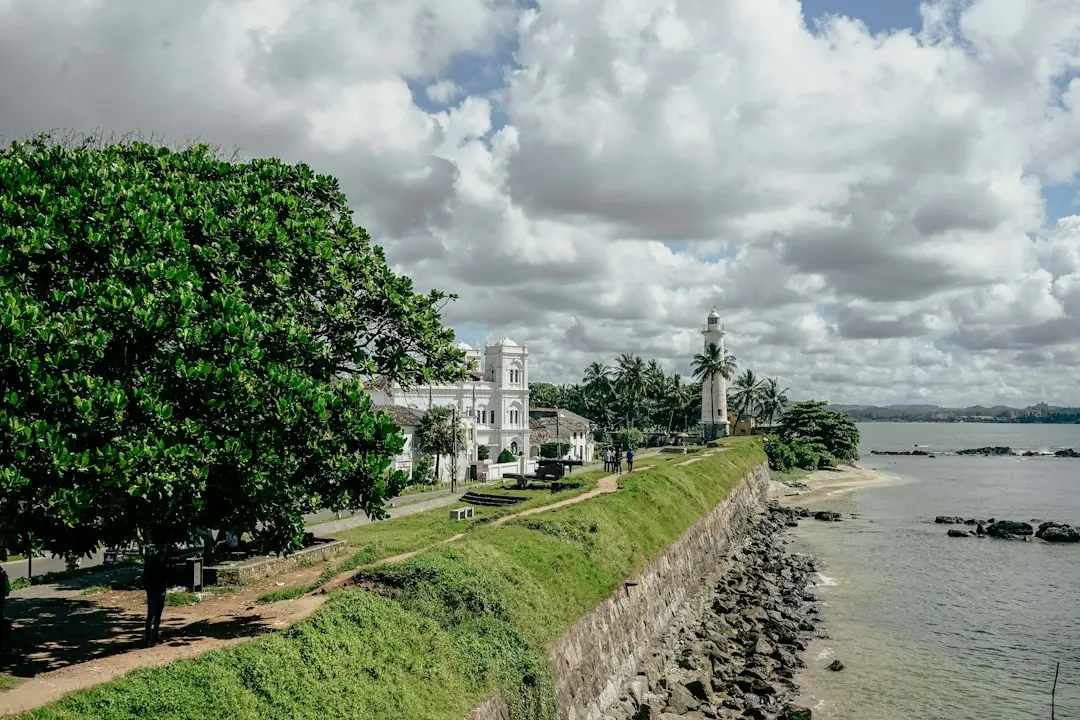
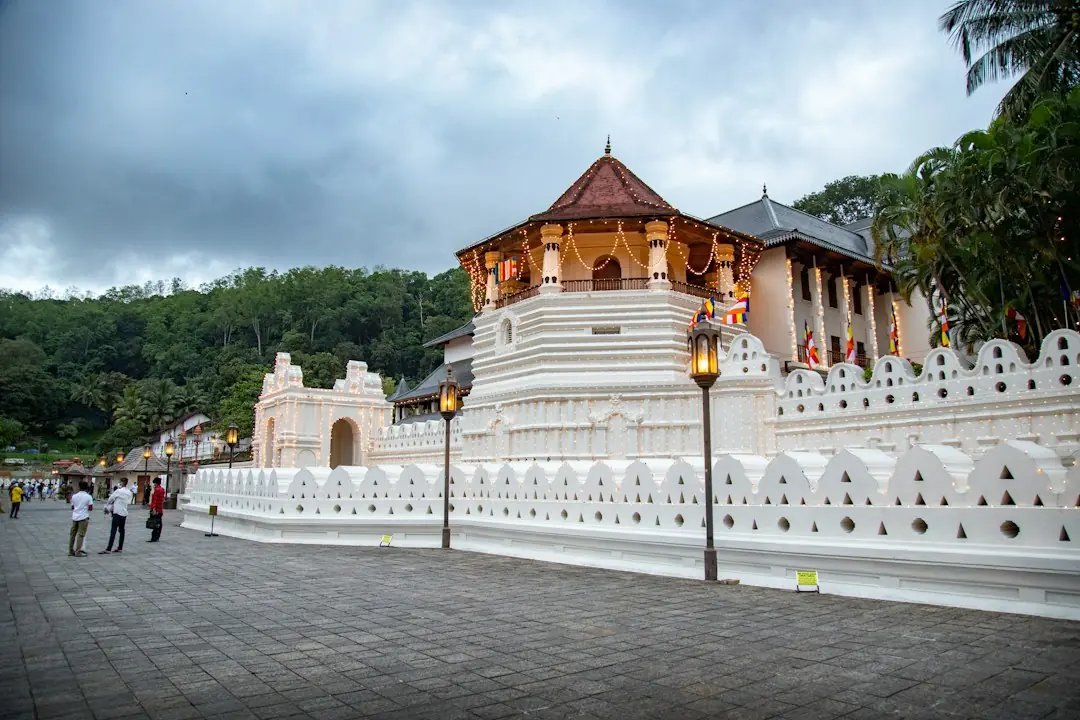
Welcome to the ultimate Sri Lanka food guide — your passport to one of Asia's most underrated culinary destinations. If you think you know South Asian cooking, prepare to be surprised. Traditional Sri Lankan cuisine is a fragrant, fiery, coconut-rich world of its own, shaped by Sinhalese, Tamil, Moor, Malay, and Burgher influences over centuries of trade and migration. From rhythmic street-side kottu to delicate egg hoppers and the island's legendary crab curry, this is what to eat in Sri Lanka — and exactly where to find the best of it.
Food here isn't just fuel; it's culture on a plate. Coconut features in roughly 90% of traditional dishes, rice is eaten in staggering quantities (over 100 kg per person annually), and the island remains the world's leading source of true Ceylon cinnamon. Hungry yet? Let's dig in.
 Photo by Zoshua Colah on Unsplash
A Quick Taste of Sri Lankan Food Culture
Sri Lankan food culture is built on sharing and abundance. A typical meal arrives as a spread of many small dishes rather than a single plated main, and most locals still eat with their right hand — a practice that genuinely enhances the eating experience. The island's spice heritage runs deep: the Portuguese, Dutch, and British all fought for control of these shores partly to dominate the cinnamon trade. That colonial layering is why you'll find Dutch-influenced lamprais alongside Tamil string hoppers and Malay-origin desserts, all within a few kilometres of one another.
The 15 Must-Try Sri Lankan Dishes to Try
1. Rice and Curry (Bath Curry)
The cornerstone of Sri Lanka rice and curry culture. A mound of rice is surrounded by 5–15 small curries — dhal, jackfruit, beetroot, pumpkin, green beans — plus a protein and sambols. Every region, and indeed every household, has its own version. Find it at local "hotels" (small eateries) islandwide, an upscale take at Nuga Gama in Colombo's Cinnamon Grand, or the most authentic versions in village homestays around Ella and Kandy.
2. Hoppers (Appa)
A bowl-shaped, fermented rice-flour-and-coconut pancake with lacy crisp edges and a soft centre. Order an egg hopper with a yolk cracked into the middle. Head to Hela Bojun Hala stalls, the Galle Face Green carts, or roadside hopper vendors that appear at dusk.
3. String Hoppers (Idiyappam)
Delicate steamed nests of rice-flour noodles, served with dhal, kiri hodi (coconut milk gravy) and pol sambol. A breakfast staple with Tamil roots — the versions in Jaffna are outstanding.
4. Kottu Roti
Arguably the national street-food dish. Shredded godamba roti is stir-fried with vegetables, egg, and meat or cheese on a flat griddle, accompanied by that unmistakable rhythmic chopping sound. For the best kottu roti Sri Lanka experience, visit Pilawoos in Colombo (famous for cheese kottu) or any busy street stall after 6pm.
 Photo by Nilantha Sanjeewa on Unsplash
5. Lamprais
A Dutch Burgher treasure derived from the Dutch lomprijst: rice cooked in stock, bundled with meat curries, frikkadels (meatballs), and blachan, then baked in a banana leaf. Try it at the Dutch Burgher Union or Green Cabin in Colombo.
6. Pol Sambol
Scraped coconut pounded with red chilli, lime, onion, and Maldive fish. It's the bright, punchy condiment that accompanies nearly every meal — simple but unforgettable.
7. Fish Ambul Thiyal (Sour Fish Curry)
A southern specialty of tuna cooked with goraka and black pepper, notably without coconut. This sour, intensely flavoured curry was originally a preservation technique. Seek it out in Galle, Mirissa, and Weligama.
8. Kiribath (Milk Rice)
Rice cooked in coconut milk and cut into diamonds. This ceremonial dish marks the New Year, the first of the month, and auspicious occasions, served with lunu miris chilli sambol or sweet jaggery.
9. Jaffna Crab Curry
A fiery northern Tamil dish of mud crab in roasted Jaffna curry powder. For a splurge, book Ministry of Crab in Colombo — co-owned by cricket legends Mahela Jayawardene and Kumar Sangakkara, and consistently ranked among the best food in Sri Lanka.
10. Dhal Curry (Parippu)
Red lentils simmered in coconut milk with turmeric and tempered curry leaves. Humble, comforting, and present at virtually every meal.
11. Watalappan
A silky steamed custard of jaggery, coconut milk, eggs, cardamom, and nutmeg. Of Malay-Muslim origin, it peaks during Eid but appears on hotel dessert buffets year-round.
12. Kool
A Jaffna Tamil seafood broth thickened with palmyrah root flour and loaded with crab, cuttlefish, prawns, and greens. A true northern specialty worth travelling for.
13. Polos & Kiri Kos (Jackfruit Curries)
Young green jackfruit (polos) cooked into a meaty, satisfying curry often called "vegetarian meat." Best enjoyed in village eateries around Kandy.
14. Curd & Treacle
Thick buffalo-milk yoghurt drizzled with kithul palm treacle — a famous roadside treat in the southeast around Hambantota. Pull over at a curd stall on the southern highways.
15. Ceylon Tea & Short Eats
No Ceylon cuisine guide is complete without tea and "short eats" — rolls, cutlets, patties, and vadai from any bakery. Sip fresh brews at the Pedro or Mackwoods estates near Nuwara Eliya, surrounded by rolling tea country.
 Photo by Manoj Malshan on Unsplash
Best Time to Visit for Food Lovers
Timing your trip around festivals and seasons can transform your culinary adventure.
- Avurudu (Sinhala & Tamil New Year, April): The best season for ceremonial sweets like kiribath, kokis, kavum, and aluwa — though note many eateries close as families celebrate at home.
- Ramadan & Eid (dates shift annually): Watalappan, biryani, and samosas reach their peak in Muslim neighbourhoods like Colombo's Pettah and Kattankudy.
- Mango season (May–July): An abundance of fresh tropical fruit.
- Seafood seasons: The southern coast is calmest November–April, making it ideal for crab and fish. For Jaffna's distinctive northern cuisine, plan January–September to avoid the northeast monsoon.
 Photo by Nilantha Sanjeewa on Unsplash
Practical Information
What It Costs
Sri Lankan food is wonderfully affordable (2024 prices, subject to inflation):
- Sri Lanka street food: LKR 150–500 per snack
- Local rice and curry: LKR 400–800
- Mid-range restaurant mains: LKR 1,200–2,500
- Hotel buffet dinners: LKR 4,000–8,000+
- Ministry of Crab: crabs are priced by size, from LKR 7,000 to 30,000+ for a jumbo "OMG crab"
Where to Eat
Hela Bojun Hala — government-run women's enterprise stalls offering the best value authentic Sri Lanka local food (items LKR 50–200, cash only, open roughly 7am–5pm). Galle Face Green in Colombo is the evening street-food hub for isso vadai (prawn fritters) and kottu. Pilawoos stays open late for budget kottu. The restored Dutch Hospital precincts in Colombo and Galle offer card-friendly dining in colonial surrounds. For Ministry of Crab, reservations are essential — book weeks ahead.
Insider Tips
- Eat with your right hand at least once — locals love the effort, and it really does change how the food tastes.
- Ask for "spice level low" — the default heat is intense for most visitors.
- Rice and curry is freshest at lunch (11:30am–2pm); avoid late-day reheated versions.
- Drink bottled water only, skip ice in rural areas, and avoid pre-cut roadside fruit in low-turnover spots.
- Buy true Ceylon cinnamon (soft, crumbly, pale quills labelled "Ceylon/Alba grade"), not the harder cassia.
- Tipping: a 10% service charge is often added; otherwise just round up.
Turning Food Into a Full Itinerary
Food is one of the most rewarding ways to experience the island, and it slots beautifully into a tour. A classic 10–14 day circuit (Colombo–Sigiriya–Kandy–Ella–Yala–Galle) naturally delivers regional diversity, from hill-country tea estates to southern seafood. Dedicated culinary tours (3–7 days) can combine Colombo street food, Galle seafood, Kandy spice gardens, and a northern leg to Jaffna for its uniquely spicy, palmyrah-infused cuisine. Cooking classes — popular in Ella, Mirissa, Sigiriya, and Galle (around LKR 3,000–7,000 per person) — and tea-plantation visits around Nuwara Eliya are easily woven into any trip. Vegetarians and vegans are well catered for thanks to strong Buddhist and Hindu influences, with abundant rice-based options.
Ready to explore? Browse our Sri Lanka tour packages or get a free custom quote.
Frequently Asked Questions
Is Sri Lankan food very spicy?
Traditional Sri Lankan cuisine is generally spicier than most Western palates expect, especially Jaffna dishes. The good news is you can simply ask for "spice level low" at most eateries, and milder options like dhal, pol sambol, and coconut-based gravies balance out the heat.
What is the national dish of Sri Lanka?
Rice and curry is the quintessential meal, but kottu roti is arguably the most iconic street food — recognisable across the island by the rhythmic metal-blade chopping on griddles.
Is street food in Sri Lanka safe to eat?
Yes, street food is generally safe when you choose busy, high-turnover stalls where food is cooked fresh. Stick to bottled water, avoid ice in rural areas, and skip pre-cut fruit left sitting out.
Can vegetarians and vegans eat well in Sri Lanka?
Absolutely. Thanks to strong Buddhist and Hindu influences, vegetarian and vegan options are everywhere — think dhal, jackfruit curries, mallung greens, coconut sambols, and a rainbow of vegetable curries with rice.
How much should I budget for food per day?
Budget travellers can eat very well on LKR 1,500–3,000 a day using street food and local eateries. Mid-range dining runs higher, and a splurge meal like Ministry of Crab can cost significantly more, with crabs priced by size.