Short answer: Sri Lanka's currency is the Sri Lankan rupee (LKR, written Rs). Cards are widely accepted in hotels, larger restaurants and supermarkets, but you'll need cash for tuk-tuks, small shops, street food, temple donations and tips. The easiest way to get rupees is from a bank ATM or a licensed money changer after you land. Many restaurants and hotels add a 10% service charge to the bill; tipping on top of that is appreciated but not expected.
The Sri Lankan rupee
- Notes: Rs 20, 50, 100, 500, 1,000 and 5,000. Coins: Rs 1, 2, 5 and 10.
- Small notes are useful: tuk-tuk drivers, small shops and street vendors often can't change Rs 5,000 notes. Break big notes in supermarkets and hotels.
- Exchange rates move: check a live rate (for example on your banking app) before changing money, so you know what a fair rate looks like.
- Prices in US dollars: some hotels, safari operators and tour companies quote in US dollars, but day-to-day spending is in rupees.
Cash or card?
| Use a card for | Carry cash for |
|---|---|
| Hotels and resorts | Tuk-tuks and local buses |
| Larger restaurants and cafés | Small shops, roadside fruit stalls, street food |
| Supermarkets (Keells, Cargills, Arpico) | Temple donations and shoe-minding |
| Bigger souvenir and clothing shops | Tips for drivers, guides and hotel staff |
| Some ticket offices at major sites | Rural areas, where card machines are rare |
Visa and Mastercard are the most widely accepted. Some places add a small surcharge for card payments, so ask first if it matters. Tell your bank you're travelling so it doesn't block your card.
ATMs: how to use them safely
- Most major banks' ATMs accept Visa and Mastercard, though not every ATM takes international cards. If one refuses, try another bank.
- Use ATMs inside bank branches or hotels where you can. UK government advice warns that card fraud is common and suggests checking street ATMs for tampering.
- Both the local bank and your own bank may charge a fee per withdrawal, so fewer, larger withdrawals usually work out cheaper.
- If the machine offers to charge you in your home currency (dynamic currency conversion), choose rupees. The conversion rate offered is usually worse.
- There are ATMs in the arrivals hall at Colombo airport, so you can get cash as soon as you land.
Changing money
- Best rates: banks and licensed money changers in towns (Colombo, Negombo, Kandy, Galle). The airport counters are convenient, and fine for your first day or two.
- Bring: clean, undamaged notes. US dollars, euros and pounds sterling are the easiest to change.
- Hotels will change money, but usually at a poorer rate.
- Never change money with people on the street.
- Before you leave: Sri Lanka restricts how many rupees can be taken in or out of the country, and rupees are hard to change abroad. Spend or change your remaining rupees before you fly. Keep exchange receipts in case you're asked for them.
- Large amounts: foreign currency over US$15,000 (or equivalent) must be declared to customs on arrival.
Tipping in Sri Lanka
Tipping is customary and makes a real difference to people working in tourism. There's no fixed rule. These are commonly suggested ranges; give more for great service:
| Who | Typical tip |
|---|---|
| Restaurants with a 10% service charge on the bill | Not required; round up or leave a little extra for good service |
| Restaurants without a service charge | About 10% |
| Private driver / chauffeur | Roughly US$5–10 per day (in rupees), given at the end of the trip |
| Site guides (e.g. at Sigiriya, Kandy temple) | A few hundred to a thousand rupees, depending on the length of the tour |
| Safari jeep driver and tracker | A small tip each at the end of the drive |
| Hotel porters | A small tip per bag |
| Housekeeping | A small amount per day, left at the end of your stay |
| Temple shoe-minders | A small coin or note |
About the 10% service charge: it's common in hotels and restaurants, but it doesn't always reach the staff who served you. If someone was especially helpful, a direct tip is the surest way to thank them.
Money-saving tips
- Agree tuk-tuk fares before you set off, or use a metered tuk-tuk or a ride-hailing app (PickMe, Uber) in cities.
- Expect separate pricing at heritage sites: major sites such as Sigiriya and the Cultural Triangle charge foreign visitors considerably more than locals. Check current prices and budget for them.
- Taxes: VAT in Sri Lanka is 18%. Some menus and hotel rates show prices "plus taxes", so check whether the total includes VAT and service charge.
- Eat local: rice and curry at a local eating house costs a fraction of tourist-restaurant prices and is often the best food you'll have.
- Share a driver: for families and groups, a car with driver often costs less per person than trains, tuk-tuks and taxis combined, and saves hours. See car hire with driver options.
Frequently asked questions
What currency should I bring to Sri Lanka?
Bring a debit or credit card for ATMs and larger payments, plus some US dollars, euros or pounds in clean notes as backup. Get rupees in Sri Lanka, since it's hard to buy them abroad.
Can I use US dollars in Sri Lanka?
Some hotels and tour operators quote and accept US dollars, but shops, restaurants and transport use rupees. Plan to pay in rupees day to day.
Is it better to exchange money before going to Sri Lanka?
No. Rupees are hard to get abroad, and rates are better in Sri Lanka. Use the airport ATMs or money changers on arrival.
How much should I tip a driver in Sri Lanka?
Roughly US$5–10 per day, paid in rupees at the end of the trip, is common for a good private driver. Tip more if they've gone out of their way for you.
Sources: Sri Lanka Customs (currency declaration); UK FCDO travel advice (ATM and card safety). Fees and rates change, so check with your bank before you travel. Related: arriving at Colombo airport · getting around Sri Lanka.
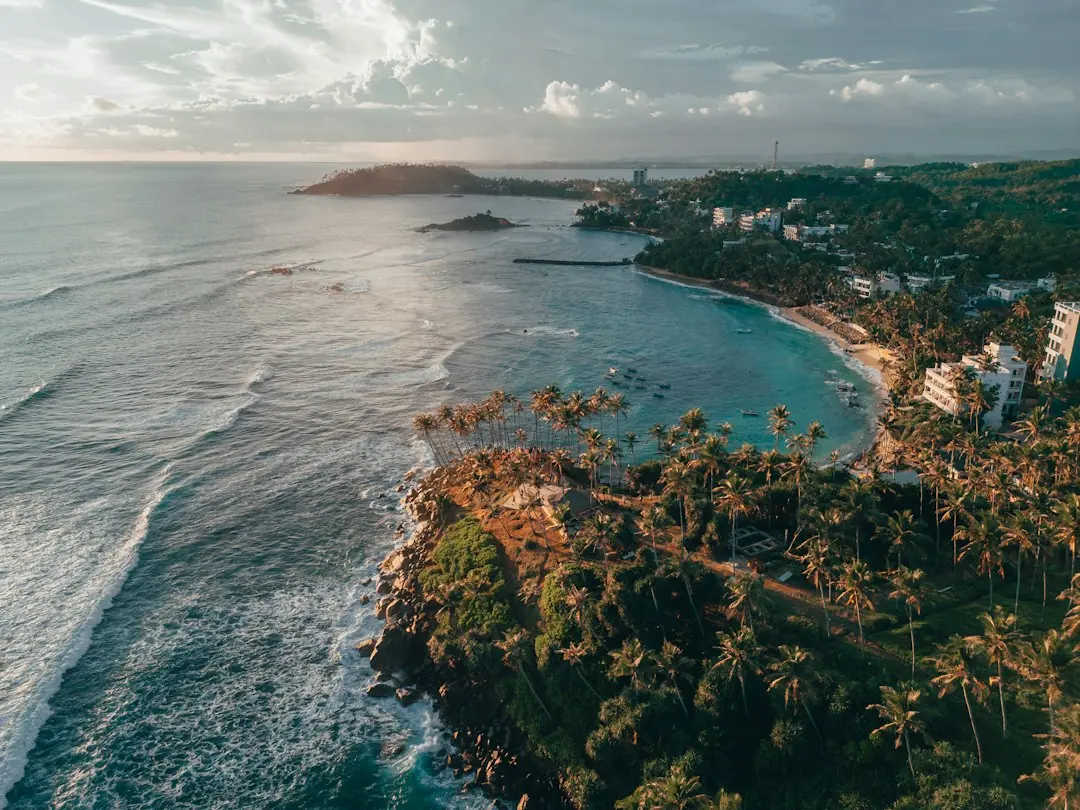
Cover photo: Florian Wehde on Unsplash.