Short answer: there is no bad month to visit Sri Lanka, only a wrong coast. Sri Lanka has two monsoons that hit opposite sides of the island at different times of year. From December to March the west coast, south coast and hill country are at their driest. From May to September the east coast (Trincomalee, Pasikudah, Arugam Bay) has its best weather. October and November are the wettest months island-wide.
This guide explains how the seasons work, what to expect month by month, and how to plan a route that follows the sun. It is written by our team in Negombo, who drive guests around the island all year.
How Sri Lanka's seasons work
Sri Lanka's Department of Meteorology divides the year into four seasons:
| Season | Months | Where it rains | Where it's dry |
|---|---|---|---|
| Northeast monsoon (Maha) | December – February | East coast and the north | West coast, south coast, hill country |
| First inter-monsoon | March – April | Afternoon thunderstorms in many areas | Mornings are usually clear almost everywhere |
| Southwest monsoon (Yala) | May – September | West coast, south coast, western hill slopes | East coast, the north, Cultural Triangle |
| Second inter-monsoon | October – November | Most of the island — the wettest period overall | No reliably dry region |
Two things surprise first-time visitors. First, "monsoon" in Sri Lanka rarely means all-day rain: more often it is a heavy shower in the afternoon or evening, with sunshine either side. Second, the island is small enough that you can often drive out of the rain in a few hours. In July, for example, it can be wet in Galle and dry and sunny in Trincomalee.
November and December are also Sri Lanka's cyclone season: most tropical cyclones that have crossed the island did so in those two months. They are infrequent, but if you travel then, keep a buffer day in your plans and follow local weather news.
Temperatures: hot on the coast, cool in the hills
Temperature depends far more on altitude than on the month:
- Colombo and the coasts: warm and humid all year, averaging around 26–28°C. March and April are the hottest and most humid months.
- East coast (Trincomalee, Arugam Bay): hot all year, with daytime highs often in the low 30s °C.
- Hill country (Nuwara Eliya, about 1,900 m): cool, roughly 9–23°C, and cold at night from December to February. Bring a fleece or light jacket.
- Kandy and Ella: in between, pleasant days and cooler evenings.
Sri Lanka weather month by month
January and February
Best for: west and south coast beaches (Negombo, Bentota, Hikkaduwa, Galle, Mirissa), the hill country, Kandy, and the Cultural Triangle (Sigiriya, Dambulla, Polonnaruwa). This is peak season, with dry, sunny days on the west and south coasts. The east coast is still wet and many beach hotels there are quiet. Book drivers and popular hotels early.
March and April
Best for: almost everywhere. The northeast monsoon has ended and the southwest monsoon hasn't started, so mornings are usually clear across the island, with afternoon thunderstorms building through April. It is hot and humid. Sinhala and Tamil New Year falls on 13–14 April: many businesses close for a few days and roads and trains are busy with people travelling home.
May and June
Best for: the east coast and the Cultural Triangle. The southwest monsoon brings rain and rough seas to the west and south coasts, and some beach restaurants close. The east coast season starts: Trincomalee, Nilaveli and Pasikudah have calm seas, and the surf season at Arugam Bay gets going. Vesak (May full moon) and Poson (June full moon) are beautiful times to see lantern displays and temple celebrations. Prices drop outside the east coast.
July and August
Best for: the east coast, Arugam Bay surfing, Kandy, and wildlife in the dry zone. It's a busy holiday period for European families. Kandy's Esala Perahera, one of Asia's great festivals, usually takes place in July or August. Its dates follow the lunar calendar (in 2026 it ran from 18 to 28 August), and hotels in Kandy sell out early. In the dry season elephants gather around the reservoirs at Minneriya and Kaudulla, usually peaking around August and September.
September
Best for: the east coast and wildlife. The southwest monsoon eases off towards the end of the month. In Yala National Park the main tourist zone (Block 1) has often been closed for part of September and October to let the park rest during the drought. Check before booking a safari, or plan for Udawalawe, Bundala or Yala's other blocks instead.
October and November
Best for: travellers who want low prices and green landscapes and don't mind rain. This is the second inter-monsoon, the wettest time of year overall, with heavy afternoon downpours across most of the island. It's still very travelable, especially by car, since you can adjust the day's plan to the weather. Whale-watching season on the south coast starts around November.
December
Best for: west and south coast, hill country. The start of high season, especially over Christmas and New Year, when prices peak. The east coast is entering its wet season. The Adam's Peak (Sri Pada) pilgrimage season begins with the December full moon and runs until Vesak in May. This is the only time the path is lit for the classic overnight climb to see sunrise from the summit.
Best time for specific experiences
| Experience | Best months | Where |
|---|---|---|
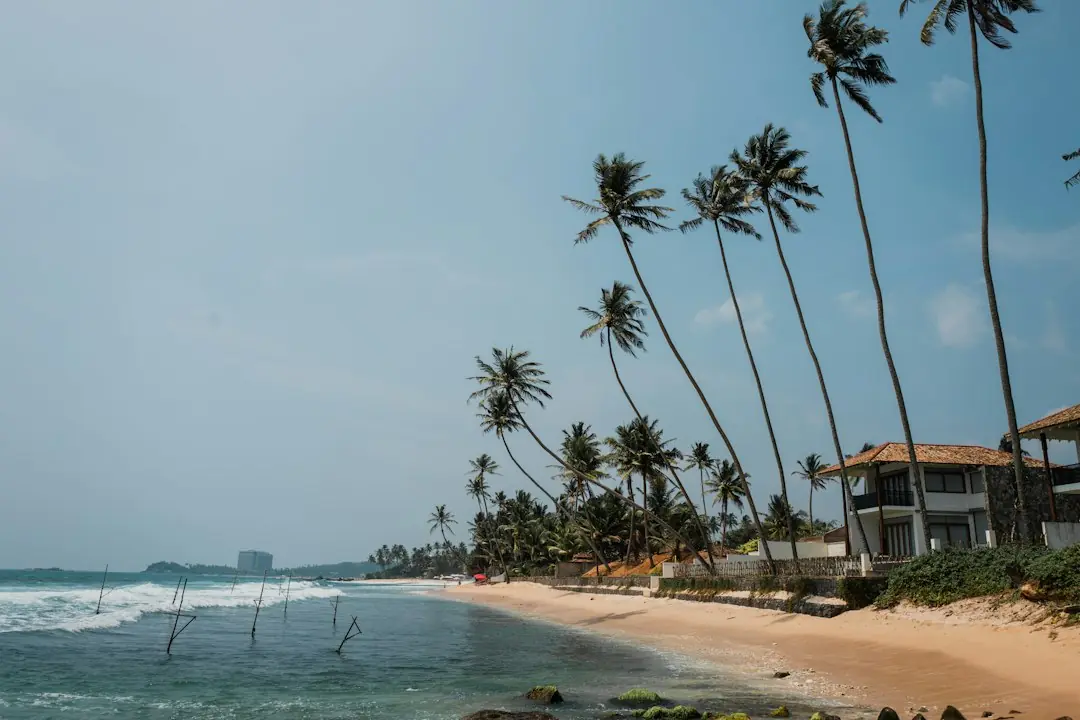
| Beaches — west and south coast | December – April | Negombo, Bentota, Hikkaduwa, Unawatuna, Mirissa, Tangalle |
| Beaches — east coast | May – September | Trincomalee, Nilaveli, Pasikudah |
| Surfing | November – April (south/west); about May – October (Arugam Bay) | Weligama, Hikkaduwa; Arugam Bay |
| Whale watching | November – April | Mirissa (south coast) |
| Whale watching | Around May – September | Trincomalee (east coast) |
| Elephant gathering | About July – October | Minneriya and Kaudulla |
| Hiking and tea country | January – April | Ella, Nuwara Eliya, Haputale, Knuckles |
| Adam's Peak climb | December – May (pilgrimage season) | Sri Pada, near Hatton |
| Kandy Esala Perahera | July or August (lunar dates) | Kandy |
Whale and festival dates move a little each year. Check with licensed operators or the official festival schedule before you book flights around them.
Our recommended route for each season
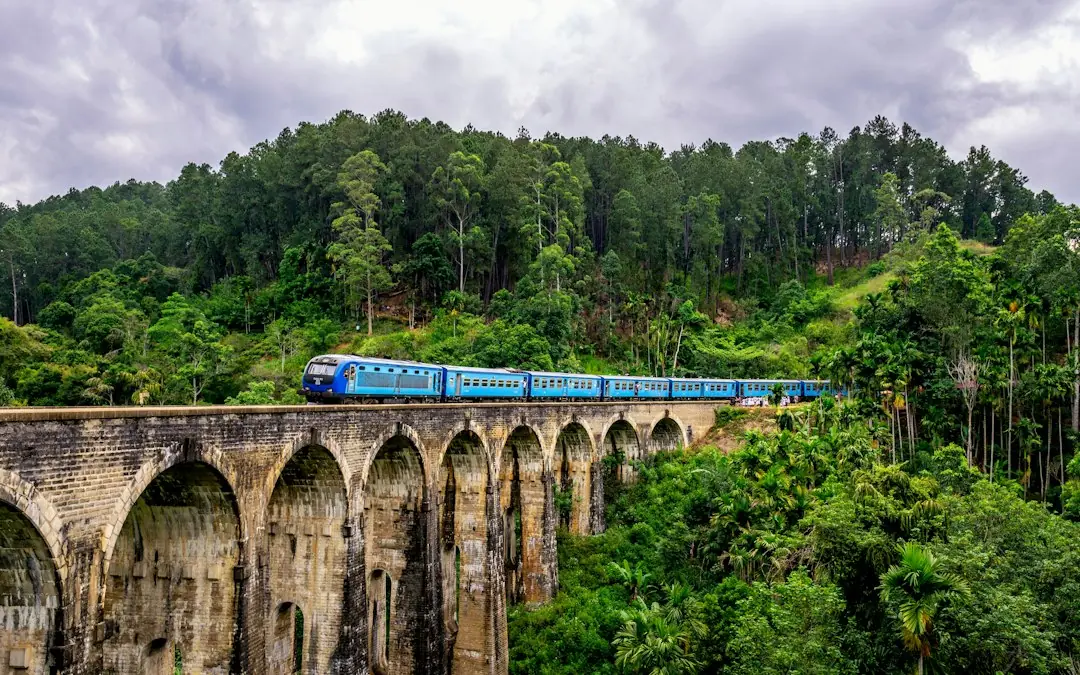
December to April: fly into Colombo and stay a night in Negombo. Then head to the Cultural Triangle (Sigiriya, Dambulla, Polonnaruwa), on to Kandy and the hill country (Nuwara Eliya, Ella), and finish on the south coast (Mirissa, Galle). This classic loop catches every region at its best.
May to September: start in the Cultural Triangle. Then cross to the east coast (Trincomalee or Pasikudah) for the beaches, and loop back through Kandy. If you want the south coast, go anyway: rain usually comes in short bursts, and it's quieter and cheaper. Just choose hotels with good covered space.
A private driver makes either route easier. You can swap the order of the day's stops when you see the forecast, which buses and trains can't do. See our car hire with driver options or ask us to plan a route for your dates.
Frequently asked questions
What is the best month to visit Sri Lanka?
For a first trip covering the classic sights (Cultural Triangle, Kandy, the hill country and the south coast), February and March are the most reliable months. If you mainly want east-coast beaches, choose June to August.
Is it worth visiting Sri Lanka during the monsoon?
Yes, if you plan around it. Rain usually falls in heavy bursts rather than all day, prices are lower and the landscapes are at their greenest. Base yourself on the side of the island that's in its dry season, and keep your route flexible.
When is the rainy season in Sri Lanka?
The southwest monsoon (May–September) brings rain to the west and south coasts and the hill country. The northeast monsoon (December–February) brings rain to the east and north. October and November bring rain to most of the island.
Is Sri Lanka too hot in April?
April is the hottest and most humid month on the coasts and in the dry zone. Plan sightseeing for early morning and late afternoon, and spend the middle of the day by the pool or up in the cooler hill country.
Seasonal information is based on the Sri Lanka Department of Meteorology's seasonal classification and our own experience on the road. Weather varies from year to year, so check a forecast in the days before you travel. See also: Sri Lanka visa & ETA guide · Getting around Sri Lanka.
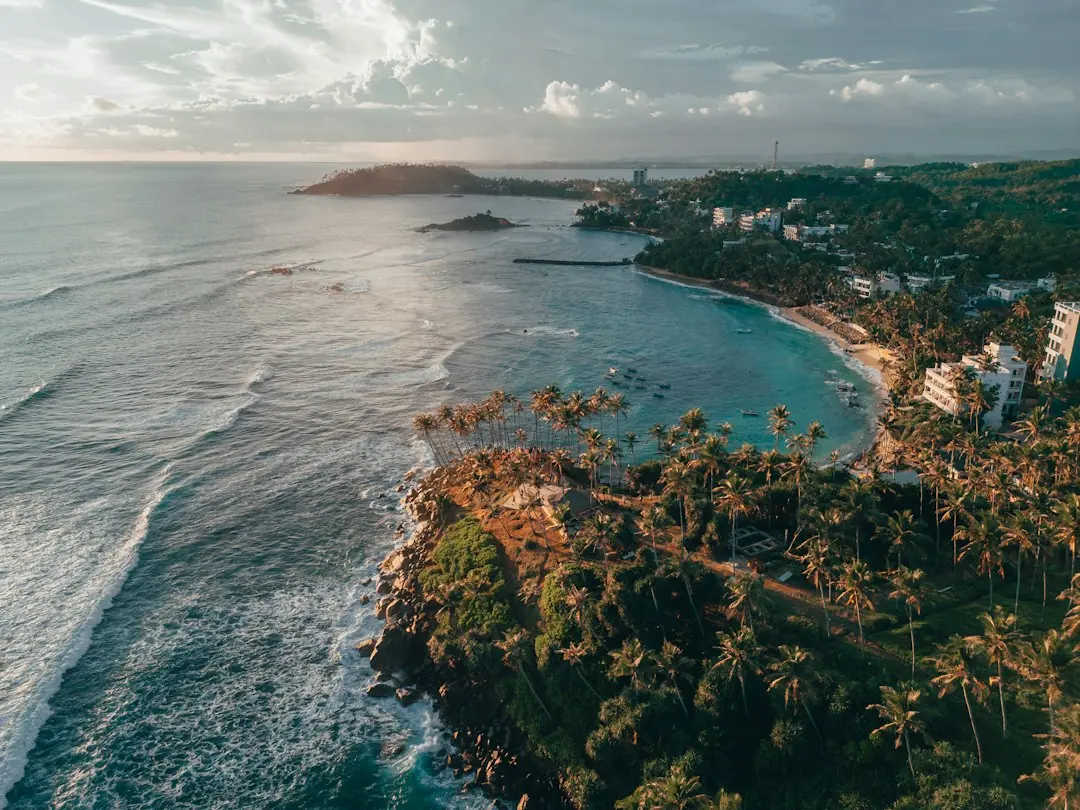
Cover photo: Daniel Klein on Unsplash.