Short answer: Sri Lankans are famously warm and welcoming, and a little cultural awareness goes a long way. The essentials: at temples, cover your shoulders and knees and take off your shoes and hat. Never pose for a photo with your back to a Buddha statue or treat Buddha images disrespectfully; this is taken very seriously, and visible Buddha tattoos can get you refused entry. Dress modestly away from the beach, use your right hand to give, take and eat, and expect bars and liquor shops to close on Poya (full-moon) days.
Sri Lanka at a glance
- Religion: the majority are Theravada Buddhists, with significant Hindu, Muslim and Christian communities. You'll see temples, kovils, mosques and churches, sometimes on the same street.
- Languages: Sinhala and Tamil are the official languages. English is widely spoken in hotels, by drivers and guides, and on signs.
- Greetings: "Ayubowan" (Sinhala, "may you live long"), said with palms together, and "Vanakkam" (Tamil). A smile and "thank you" ("bohoma istuti" in Sinhala, "nandri" in Tamil) are always appreciated.
- The head wobble: a side-to-side tilt of the head usually means "yes", "OK" or "I understand", not "no".
Visiting temples: the dress code and rules
Buddhist temples (viharas), Hindu kovils and sacred sites like the Temple of the Tooth in Kandy, Dambulla Cave Temple and Sri Maha Bodhi in Anuradhapura all expect respectful behaviour:
- Cover shoulders and knees. This applies to men and women. A sarong or long scarf in your day bag makes it easy.
- Remove shoes and hats before entering the temple grounds, often at the entrance gate. Socks are allowed, and handy because stone courtyards get very hot at midday.
- White or light-coloured clothing is traditional and appreciated, though not required.
- Don't turn your back to a Buddha statue for a selfie or photo. UK government advice specifically warns against posing for photos in front of Buddha statues.
- Don't touch, climb on or point your feet at statues, stupas or monks.
- Speak quietly, and follow signs about photography. Some shrine rooms ban it, and flash is often not allowed.
- Monks: stand aside for monks, and offer them a seat on buses. Women should avoid touching a monk or handing things to him directly.
- Offerings: flowers (often lotus or frangipani) can be bought at temple entrances. Small donations in the donation box are welcome.
Poya days: the full-moon holiday
Every full moon is a Poya day, a public holiday important to Buddhists. Many people visit temples, often dressed in white.
- Alcohol isn't usually available: liquor shops and bars close. Drinking in public on Poya days is culturally insensitive and police can fine you for ignoring alcohol bans.
- Some shops and offices close, and temples are busy. It's a lovely day to visit one quietly.
- Check the Poya dates when planning anything that involves drinks, such as a beach party.
Everyday etiquette
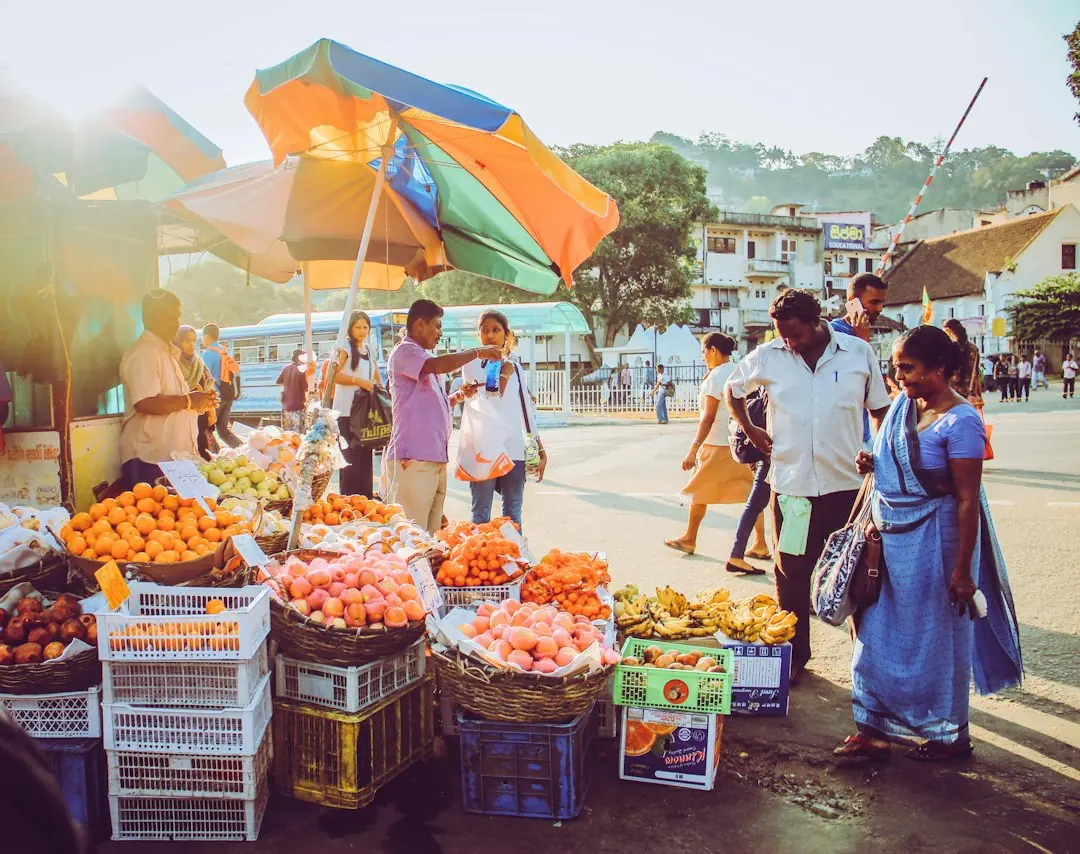
- Right hand: give and receive things (money, gifts, food) with your right hand, or both hands as a sign of respect. Traditionally the left hand is considered unclean.
- Eating with your hand: rice and curry is traditionally eaten with the fingers of the right hand. Have a go! Cutlery is always available.
- Public affection: keep it low-key. Holding hands is fine, kissing in public is frowned upon.
- Photographing people: ask first, especially monks, tea pluckers and children. Some people in tourist spots pose for photos and expect a tip.
- Security: don't photograph military bases, government buildings or VIP vehicles. Drones need registration with the Civil Aviation Authority.
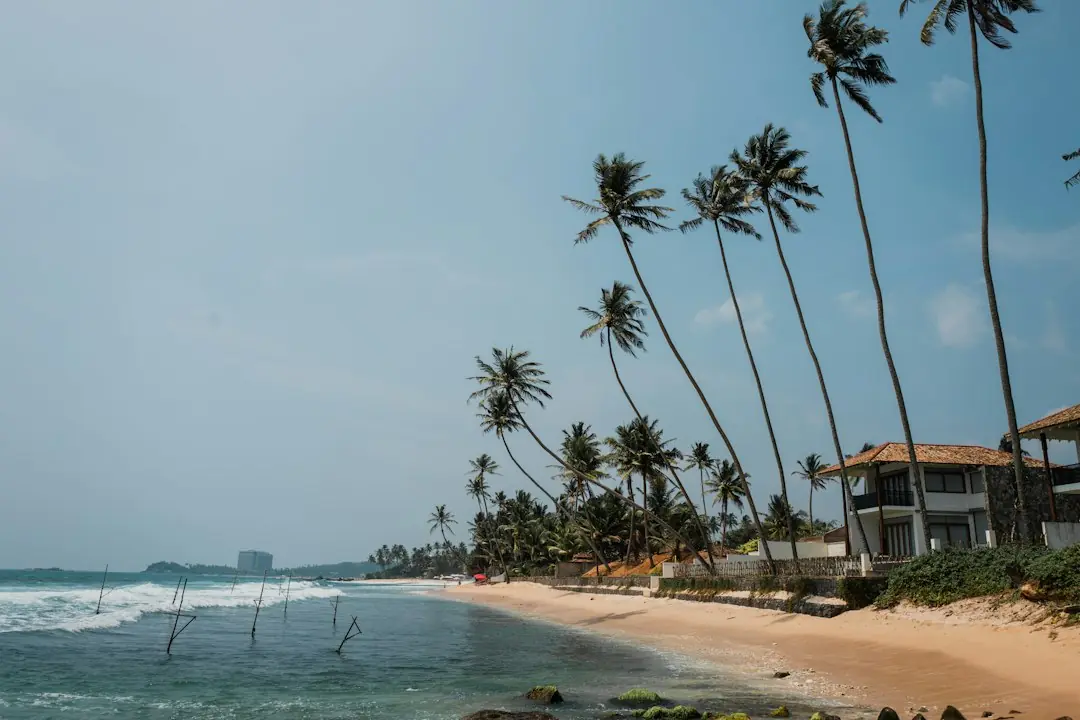
- Beaches: topless and nude sunbathing are not allowed. Cover up when leaving the beach.
- Patience: things run on "island time". Losing your temper in public is seen as a loss of face, and a calm, friendly approach gets far better results.
What to wear in Sri Lanka
| Where | What to wear |
|---|---|
| Beaches and resorts | Swimwear on the beach and by the pool, with a cover-up for walking around |
| Towns and cities | Light, breathable cotton or linen; shorts to the knee and T-shirts are fine |
| Temples and sacred sites | Shoulders and knees covered; easy-to-remove shoes; ideally light colours |
| Hill country (Nuwara Eliya, Horton Plains, Ella) | Layers, a fleece or light jacket for chilly mornings and evenings, and a rain jacket |
| Safaris | Neutral colours, a hat, sunglasses and a scarf against dust |
Packing essentials: a sarong or scarf for temples, sandals that slip on and off, a light rain jacket, high-factor sunscreen, insect repellent and a hat.
Festivals worth planning around
| Festival | When | What happens |
|---|---|---|
| Thai Pongal | January | Tamil harvest festival |
| Navam Perahera | February full moon | Procession at Gangaramaya Temple, Colombo |
| Sinhala and Tamil New Year | 13–14 April | Family celebrations, traditional games; many businesses close for several days |
| Vesak | May full moon | Celebrates the Buddha's birth, enlightenment and passing; lanterns, light displays and free food stalls (dansal) |
| Poson | June full moon | Marks the arrival of Buddhism; pilgrims flock to Mihintale and Anuradhapura |
| Kandy Esala Perahera | July or August (lunar dates) | Ten nights of processions with dancers, drummers and decorated elephants |
| Nallur Festival | Around July – August | Major Hindu festival at Nallur Kandaswamy Kovil, Jaffna |
| Deepavali | October or November | Hindu festival of lights |
Dates follow lunar calendars and change every year, so confirm them before booking.
Frequently asked questions
What should I wear to a temple in Sri Lanka?
Clothes that cover your shoulders and knees, ideally light-coloured. You'll remove your shoes and hat at the entrance. A sarong or scarf in your bag solves most dress-code issues.
Can I wear shorts in Sri Lanka?
Yes, at the beach and in most towns. Bring long trousers or a sarong for temples and sacred sites, where shorts above the knee aren't allowed.
Can you drink alcohol in Sri Lanka?
Yes, in licensed restaurants, bars and hotels. But alcohol usually isn't sold on Poya (full-moon) days and some religious holidays, and public drinking on those days is frowned upon.
Is it rude to take photos of Buddha statues?
Photographing statues is generally fine where photography is allowed. What's considered disrespectful, and potentially illegal, is posing with your back to the Buddha, touching or climbing on statues, or posing in a mocking way.
Sources: UK FCDO travel advice for Sri Lanka (local laws and customs). Related: best time to visit Sri Lanka · Ramayana trail tours · cultural tour packages.
Cover photo: Chathura Anuradha Subasinghe on Unsplash.