Few places capture the romance of the Indian Ocean quite like Galle Fort Sri Lanka — a living, breathing colonial town wrapped in three kilometres of sun-bleached ramparts on the island's tropical southwest coast. Part open-air museum, part buzzing creative enclave, this UNESCO World Heritage Site blends Dutch cobblestones, Portuguese foundations, British clock towers and vibrant Sri Lankan street life into one irresistible peninsula. Whether you're wandering its narrow grid of boutique-lined lanes, watching the sun melt into the sea from Flag Rock, or tucking into a plate of fresh crab curry, Galle rewards every traveller who lingers. This complete Galle Fort travel guide covers what to see, where to eat, where to stay, and everything you need to plan the perfect visit.
 Photo by Matt Dany on Unsplash
A Quick History: Why Galle Fort Matters
Long before Europeans arrived, Galle's natural harbour drew Arab, Persian and Chinese traders — some scholars even link it to the biblical port of "Tarshish." The Portuguese landed here in 1505 and built an early mud-and-palm fort, but it was the Dutch, who seized Galle in 1640, who gave us the fortress we admire today. Between 1649 and the 18th century, the Dutch East India Company (VOC) transformed Galle into a formidable walled port, laying out the coral-and-granite ramparts, bastions and grid of streets that survive remarkably intact.
The British took over in 1796, adding the lighthouse and clock tower before Colombo eventually eclipsed Galle as the island's main harbour. Inscribed by UNESCO in 1988 as the "Old Town of Galle and its Fortifications," it remains the largest European-built fortress in Asia outside Europe — and one of the few still inhabited, with some 3,000–4,000 residents living within the walls. When the 2004 tsunami struck, those thick ramparts shielded the historic core, a testament to the engineering genius of its builders.
 Photo by Oliver Frsh on Unsplash
Things to Do in Galle Fort: Top Sights
The beauty of the fort is its walkability — the entire 52-hectare peninsula is a compact grid of around 14 streets, easily explored on foot in a few hours. Here are the highlights no visitor should miss.
Walk the Ramparts
Circling the full three-kilometre perimeter is the quintessential Galle Fort experience. The Dutch-named Sun, Moon and Star bastions offer sweeping ocean views, and the walls double as a free grandstand for Test matches at the adjacent Galle International Stadium. Time your walk for sunset — it's magical.
Galle Lighthouse & Flag Rock
The iconic white lighthouse (built in 1939 on a site dating to 1848) is the fort's most photographed landmark. Nearby, Flag Rock marks the southernmost point, where local youths cliff-dive into the surf (a small tip is expected if you photograph them).
Colonial Landmarks
Don't miss the Dutch Reformed Church (Groote Kerk) of 1755, its floor paved with centuries-old gravestones; the British-built Clock Tower (1883); and the Old Gate, bearing the VOC coat of arms from 1669 alongside a British crest. The striking Meeran Jumma Mosque, which resembles a church, sits photogenically near the lighthouse — dress modestly if you enter.
Museums & Markets
The National Maritime Archaeology Museum, housed in a 1671 Dutch warehouse, showcases shipwreck treasures, while the restored Old Dutch Hospital now buzzes with boutiques and restaurants. Browse gem shops, handmade lace and batik along the lanes — just buy gems only from reputable, certified dealers.
 Photo by Chathura indika on Unsplash
Galle Fort Restaurants: Where to Eat
Southern Sri Lankan cuisine shines here — expect coconut-rich curries, fresh seafood (tuna, prawns, crab) and the regional specialty ambul thiyal (tangy sour fish curry). Whatever your budget, the fort delivers.
Upscale & Signature
- Church Street Social (at Fort Bazaar) — refined Sri Lankan and fusion plates.
- The Fort Printers — elegant fine dining in a restored colonial building.
- Pedlar's Inn Café — a beloved, atmospheric café on Pedlar Street.
Mid-Range & Trendy
- Lucky Fort Restaurant — authentic rice-and-curry buffet with superb value.
- Poonie's Kitchen — popular for healthy and vegetarian dishes.
- Elita Restaurant — much-loved for home-style local curries.
- A Minute by Tuk Tuk — a laid-back brunch and café favourite.
Casual & Sweet
Cool off with a cone from Dairy King on the ramparts, or graze on street snacks near the cricket ground for an authentic local bite.
Where to Stay in Galle Fort
Sleeping inside the walls is a special — if premium — experience, thanks to strict heritage conservation rules. Here's how the Galle Fort accommodation scene breaks down.
Luxury & Boutique
- Amangalla (Aman group) — flagship colonial luxury set in a 1684 building, the former New Oriental Hotel.
- Fort Bazaar — a stylish heritage boutique hotel.
- Le Grand Galle — a larger upscale resort just outside the walls.
Mid-Range Boutique Villas
Options like The Fort Printers, Galle Fort Hotel, Mango House and Tamarind Hill (outside the walls) offer character-filled stays in restored colonial mansions.
Budget & Guesthouses
Numerous restored colonial homestays inside the fort fall in the LKR 6,000–15,000 range. Budget travellers often base themselves in nearby Unawatuna (6 km away) for cheaper beachside stays while day-tripping into the fort.
Best Time to Visit
Galle sits on Sri Lanka's southwest coast, which follows the southwest monsoon pattern. The peak dry season runs December to March, bringing sunny skies, calm seas and ideal conditions for beach excursions. The southwest monsoon (May–September) delivers rain and rough surf — though the fort remains perfectly visitable between showers, with fewer crowds and lower prices. April and October–November are variable shoulder months.
Temperatures stay fairly constant at 26–31°C year-round with high humidity. If you love books, aim for the annual Galle Literary Festival (typically January), a major international draw — but book accommodation far in advance.
Practical Information
Entry & Costs
Entering the fort and walking the ramparts is completely free — it's a living, public town, not a ticketed attraction. Individual museums charge small fees: the Maritime Archaeology Museum is roughly LKR 850–1,000 for foreign adults, and the National Museum around LKR 500–600 (always verify current rates on arrival).
Getting There
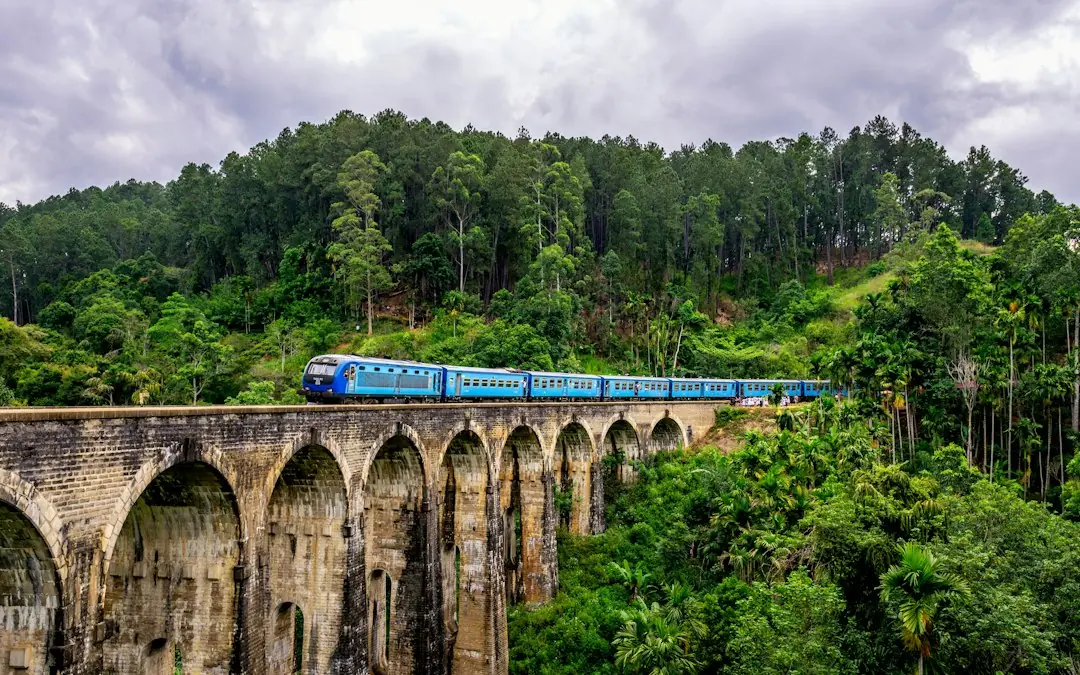
Galle lies about 119 km from Colombo — just 1.5–2 hours via the Southern Expressway (E01), or around 2.5 hours from Bandaranaike International Airport. The scenic coastal train from Colombo Fort to Galle (2.5–3 hours) is a bucket-list journey in itself; book 2nd-class reserved seats for comfort. The railway station sits right outside the fort walls.
Insider Tips
- Walk the ramparts between 5:00–6:30 PM for sunset, or 6–8 AM for crowd-free photography and cooler temperatures.
- Avoid the midday heat (11 AM–3 PM) — there's little shade on the walls.
- Use tuk-tuks (agree the fare first or use the PickMe app); parking inside is limited, so park near the stadium or bus stand.
- Dress modestly when visiting the mosque or Buddhist temple.
- Carry cash — some small shops are cash-only, though ATMs are available just outside the walls.
- Combine your visit with nearby gems like Jungle Beach, Unawatuna, the Dalawella rope swing, Koggala's stilt fishermen, and local turtle hatcheries.
 Photo by Nilanka Kariyawasam on Unsplash
How Galle Fits Into Your Sri Lanka Itinerary
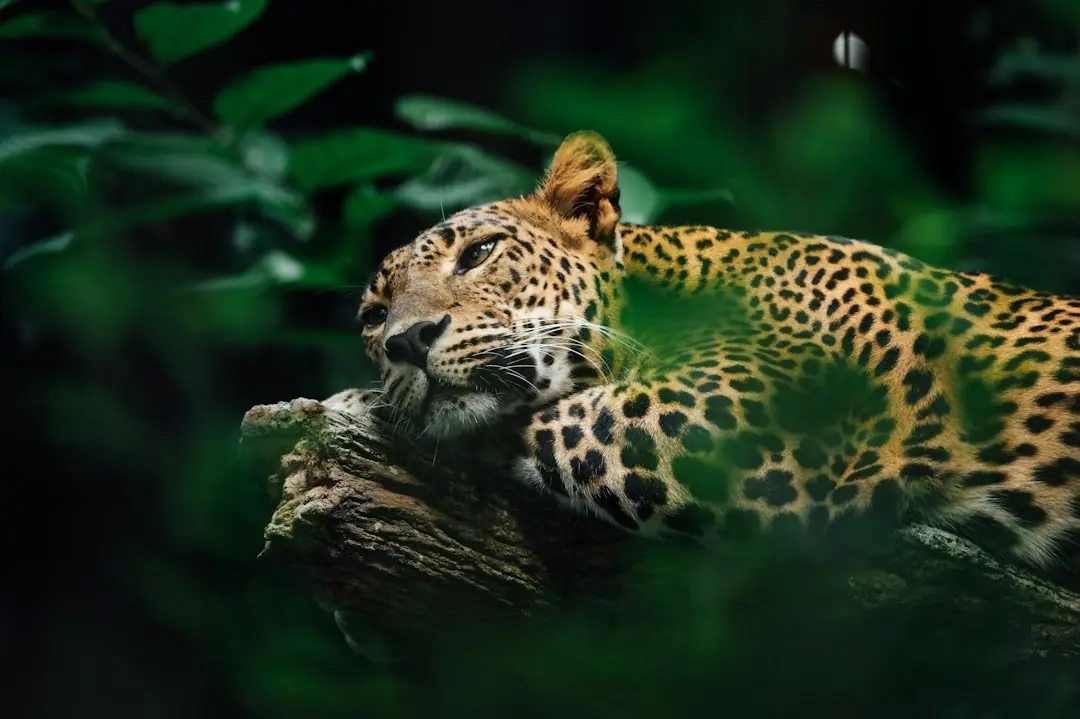
Galle typically anchors the southern coastal leg of a classic 7–14 day round-island tour, usually after the Cultural Triangle and Hill Country and before some well-earned beach time. It pairs beautifully with Mirissa (whale watching, November–April) and Yala National Park (leopard safaris) to form the popular southern loop. Thanks to the Southern Expressway, it's also an easy half- or full-day excursion from Colombo or the beach resorts of Bentota. Most travellers spend half a day to a full day exploring the fort, or two nights if using it as a southern-coast base. Our boutique Galle hotels are especially popular on honeymoon and luxury itineraries.
Ready to explore? Browse our Sri Lanka tour packages or get a free custom quote.
Frequently Asked Questions
Is there an entrance fee to Galle Fort?
No. Galle Fort is a free, open public town — you can walk the ramparts and wander the streets at any time without a ticket. Only individual museums inside (such as the Maritime Archaeology Museum and National Museum) charge small separate entry fees.
How do I get to Galle Fort from Colombo?
The fastest route is the Southern Expressway (E01), taking about 1.5–2 hours by car. For a more scenic journey, hop on the coastal train from Colombo Fort to Galle (2.5–3 hours) and book a 2nd-class reserved seat. The railway station is right beside the fort walls.
How long do I need to visit Galle Fort?
You can see the main highlights in a half-day walking tour, as the fort is compact and easily explored on foot. To soak up the cafés, boutiques, sunset ramparts and a leisurely dinner, consider staying one to two nights inside or near the fort.
When is the best time to visit Galle Fort?
December to March offers the best weather — sunny, dry and ideal for the beach. The southwest monsoon (May–September) brings rain and rough seas but fewer crowds and lower prices; the fort itself remains enjoyable year-round between showers.
Where should I stay — inside or outside the fort?
Staying inside the walls offers unmatched heritage charm but comes at a premium, with options ranging from the luxurious Amangalla to boutique guesthouses. Budget-conscious travellers often stay in nearby Unawatuna (6 km away) and day-trip into the fort.