Welcome to our complete Kandy travel guide, your essential companion to Sri Lanka's enchanting hill capital. Cradled in the misty mountains of the Central Province and crowned a UNESCO World Heritage Site in 1988, the Sacred City of Kandy is where ancient devotion, royal history and living culture converge. Home to the revered Temple of the Tooth, the spectacular Peradeniya Botanical Gardens and the thrilling Kandyan dance performances, Kandy is the beating cultural heart of the island — and an unmissable stop on any Sri Lankan adventure.
 Photo by Chathura Anuradha Subasinghe on Unsplash
Why Kandy Captivates Every Traveller
Sitting at around 500 metres above sea level, Kandy enjoys a refreshingly mild climate compared with Sri Lanka's steamy coast — daytime temperatures hover between 20°C and 28°C year-round, with cool evenings perfect for lakeside strolls. Roughly 115 km from Colombo and 72 km from Bandaranaike International Airport, the city is wonderfully accessible yet feels worlds away.
Kandy was the last independent Sinhalese kingdom, famously resisting Portuguese and Dutch forces before finally falling to the British in 1815, ending 2,357 years of unbroken monarchy. That proud heritage lingers in every temple, carving and ceremony you'll encounter. For context on the island's wider heritage circuit, see our guide to the Cultural Triangle and beyond.
The Temple of the Tooth (Sri Dalada Maligawa)
No visit to Kandy is complete without the Temple of the Tooth in Kandy — the Sri Dalada Maligawa. This golden-roofed sanctuary houses the sacred tooth relic of the Buddha, one of Buddhism's most venerated treasures. According to legend, the relic was smuggled to Sri Lanka in the 4th century CE, hidden in a princess's hair. For centuries, whoever possessed it held the right to rule the land.
 Photo by Promodhya Abeysekara on Unsplash
The main temple complex was built between 1687 and 1782, with the distinctive octagonal Paththirippuwa (the Octagon) added in the early 19th century. Note that the relic itself is never displayed publicly — it rests within a series of seven nested gold caskets, revealed only during rare expositions (the last major one was held in 2023).
Attending a Puja
The temple comes alive during its three daily puja (ritual ceremonies) at 5:30 AM, 9:30 AM and 6:30 PM, when the inner chamber is opened to the rhythm of thundering Kandyan drums. Our insider tip: attend the 6:30 PM evening puja — the air is cooler, the atmosphere electric, and the drumming unforgettable. Arrive by 6:00 PM to secure a good position near the relic chamber. While you're there, explore the upper-floor Alut Maligawa (with Buddha statues donated by Thailand), the temple museum and the World Buddhism Museum within the complex.
Peradeniya Botanical Gardens
Just 6 km west of the city lie the magnificent Peradeniya Botanical Gardens — 147 acres of manicured splendour cradled in a loop of the Mahaweli River. Formalised under the British in 1821 but rooted in a royal pleasure garden dating back to 1371, the gardens today showcase around 4,000 plant species.
Highlights include the colossal Javan fig tree with a canopy stretching some 2,500 square metres, the stately Royal Palm Avenue, a fragrant Orchid House, the curious Cannonball tree, and an avenue of trees planted by visiting dignitaries including Tsar Nicholas II and cosmonaut Yuri Gagarin. Allow 2–3 hours and wear comfortable shoes — it's a large site best explored early morning or late afternoon to dodge the midday heat.
 Photo by Supun Batagoda on Unsplash
Kandy Cultural Shows & Kandyan Dance
As dusk falls, head to a traditional Kandy cultural show for a dazzling display of the island's performing arts. Staged daily at venues like the Kandyan Art Association Hall near the lake, the YMBA Hall and the Mahanuwara Cultural Hall, these one-hour performances typically begin around 5:00 or 5:30 PM.
Expect pulsating geta bera drumming, the elegant Ves dance, colourful mask dances, the graceful peacock dance and the Pantheru — all building to a jaw-dropping outdoor fire-walking demonstration. A Kandyan dance performance is the perfect way to cap a day of temple-hopping. Tickets (around LKR 1,500–2,000) can usually be bought at the door, except during peak season.
More Things to Do in Kandy
- Kandy Lake (Kiri Muhuda): Built in 1807 by the last Kandyan king, this serene artificial lake offers a lovely 3.4 km walking circuit right in the city centre.
- Bahirawakanda Vihara Buddha Statue: A towering white Buddha overlooking the city, rewarding visitors with panoramic views.
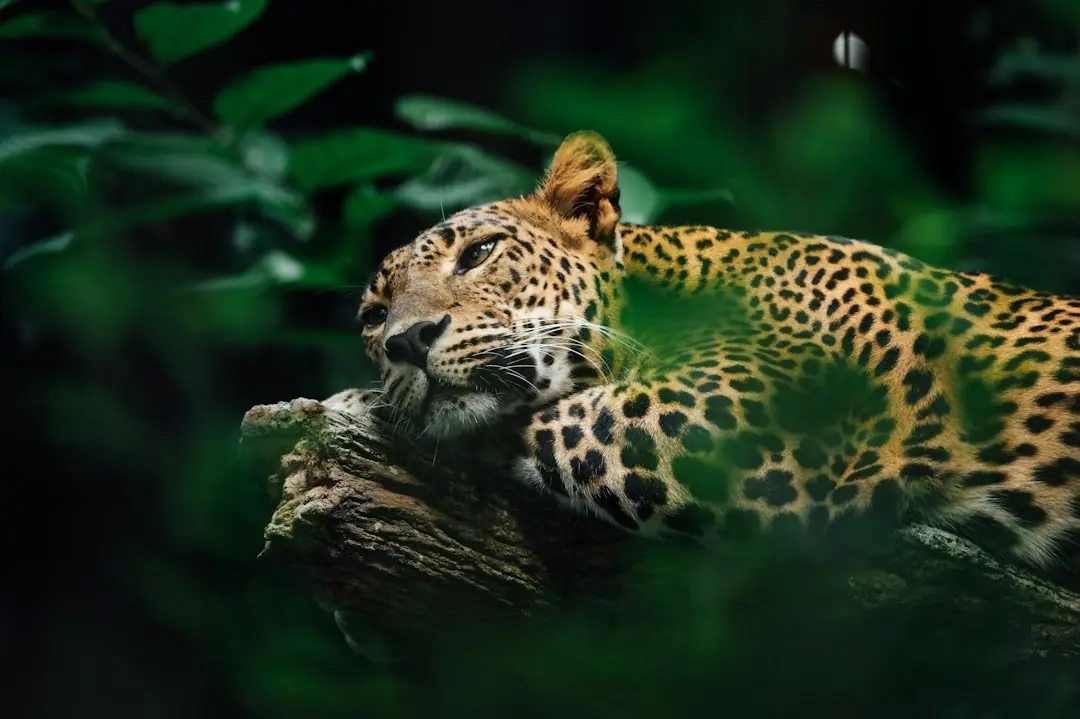
- Udawattakele Forest Reserve: A 257-acre historic royal forest behind the temple, ideal for birdwatching and spotting monkeys.
- Gadaladeniya, Lankatilaka & Embekka temples: A 14th-century trio west of Kandy, with Embekka renowned for its exquisite wooden carvings.
- Kandy Market: A buzzing central bazaar brimming with spices, gems and local produce.
 Photo by Chathura Anuradha Subasinghe on Unsplash
Best Time to Visit Kandy
Thanks to its elevation, Kandy is pleasant year-round, but the driest, most comfortable months are January to April and July to September. The city sits between Sri Lanka's monsoon systems, so brief showers are possible any time, with heavier rain typically arriving between October and December.
The crown jewel of the calendar is the Esala Perahera, held over ten nights in July or August (dates follow the lunar calendar). This is one of Asia's grandest Buddhist processions, featuring 100+ caparisoned elephants, Kandyan dancers, drummers, whip-crackers and fire-dancers, with the majestic Maligawa Tusker carrying a replica of the sacred tooth relic casket. If you plan to attend, book accommodation 3–6 months ahead — prices surge two to four times and grandstand seats sell out fast.
Practical Information
Getting There
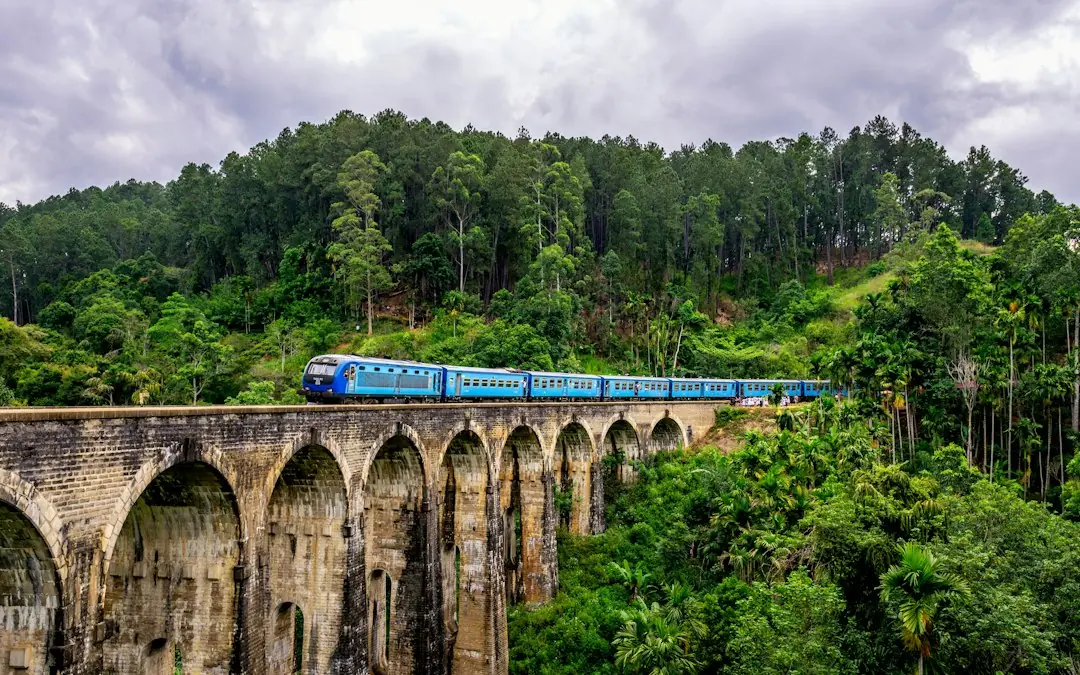
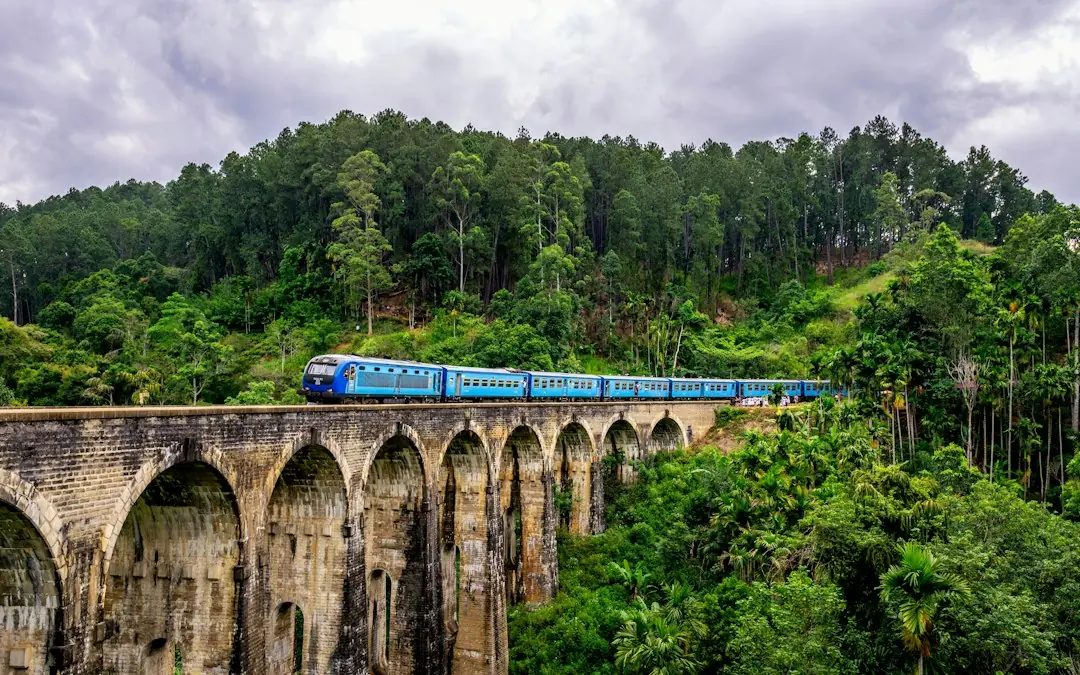
From Colombo, Kandy is a 3–4 hour drive via the expressway and A1 road, or a scenic 2.5–3 hour journey aboard the famous Colombo–Kandy train — the opening stretch of the legendary hill-country line that continues to Nanu Oya and Ella. Book 1st or 2nd class reserved seats in advance. Many travellers combine their arrival with a stop at the Pinnawala Elephant Orphanage, about 40 km west on the Colombo road. See more options for visiting Kandy from Colombo.
Costs & Opening Hours
- Temple of the Tooth: Open 5:30 AM–8:00 PM daily; foreigner entry ~LKR 2,000 (USD 6–7). Allow 1.5–2 hours.
- Peradeniya Botanical Gardens: Open 7:30 AM–5:00 PM; foreigner entry ~LKR 3,000.
- Cultural show: ~LKR 1,500–2,000; shows begin around 5:00–5:30 PM.
Prices in LKR fluctuate with exchange rates and government revisions, so verify current fees before you travel.
Essential Etiquette Tips
- Dress code: Strict at the temple — shoulders and knees must be covered, and shoes removed at the entrance (a shoe-minding service costs a few rupees). White clothing is respectful.
- Photography: Never pose with your back to a Buddha statue — this is a serious offence in Sri Lanka and has led to arrests and deportations.
- Buddha tattoos: Visitors with visible Buddha tattoos have been refused entry or deported. Cover them up.
- Poya (full moon) days: The temple is wonderfully atmospheric but very crowded with local devotees.
- Transport: Negotiate tuk-tuk fares upfront, or use the metered PickMe app for fair pricing.
Where Kandy Fits in Your Sri Lanka Itinerary
Kandy is the cornerstone of the classic "Cultural Triangle + Hill Country" circuit. Most travellers visit after exploring Sigiriya, Dambulla and Polonnaruwa, then continue into the highlands of Nuwara Eliya and Ella. A standard dwell time is 1–2 nights, with a popular day plan combining a morning temple puja, the Peradeniya Gardens and an evening cultural show. The scenic Kandy–Ella train that departs from here is a bucket-list highlight in its own right.
Ready to explore? Browse our Sri Lanka tour packages or get a free custom quote.
Frequently Asked Questions
How much time should I spend in Kandy?
Most travellers stay 1–2 nights. One full day is enough to see the Temple of the Tooth, Peradeniya Botanical Gardens and an evening cultural show, but a second night lets you explore Kandy Lake, the Bahirawakanda Buddha, Udawattakele Forest and nearby 14th-century temples at a relaxed pace.
What is the entrance fee for the Temple of the Tooth?
The foreigner entry fee is approximately LKR 2,000 (around USD 6–7), while Sri Lankan nationals enter free. The temple is open daily from 5:30 AM to 8:00 PM, with puja ceremonies at 5:30 AM, 9:30 AM and 6:30 PM. Prices can change, so confirm current rates before you visit.
Can I see the actual sacred tooth relic?
No. The sacred tooth relic is never displayed to the public and is kept within a series of seven nested gold caskets. You can, however, view the richly decorated relic chamber during puja ceremonies. Extremely rare public expositions occur only occasionally — the last major one was in 2023.
How do I get from Colombo to Kandy?
You can drive in 3–4 hours via the expressway and A1 road, or take the scenic train, which runs 2.5–3 hours and forms the start of the famous hill-country line. For the train, book 1st or 2nd class reserved seats in advance. Many visitors add a Pinnawala Elephant Orphanage stop along the way.
When is the Esala Perahera festival held?
The Esala Perahera takes place over roughly ten nights in July or August, with exact dates set by the lunar calendar. It's one of Asia's most spectacular Buddhist processions, featuring caparisoned elephants, dancers and drummers. Book accommodation 3–6 months ahead, as prices rise sharply and tickets sell out quickly.