Best Time to Visit Sri Lanka — Month by Month Guide
Planning your dream trip to the Pearl of the Indian Ocean? Finding the best time to visit Sri Lanka is the first and most important step. With two distinct monsoon seasons and a landscape that ranges from sun-drenched beaches to misty tea plantations, the answer isn’t a single month — it depends on where you want to go and what you want to do. This Sri Lanka weather by month guide will walk you through each month’s climate, highlights, and insider tips so you can pick the perfect window for your adventure.
Understanding the Sri Lanka monsoon seasons is key. The southwest monsoon (Yala) brings rain to Colombo, Galle, Kandy, and Yala from May to September, while the northeast monsoon (Maha) drenches the east and north coasts from October to January. Meanwhile, the hill country stays cool year-round. Whether you’re chasing waves on the east coast or exploring ancient cities in the Cultural Triangle, this Sri Lanka travel guide will help you decide when to go to Sri Lanka.
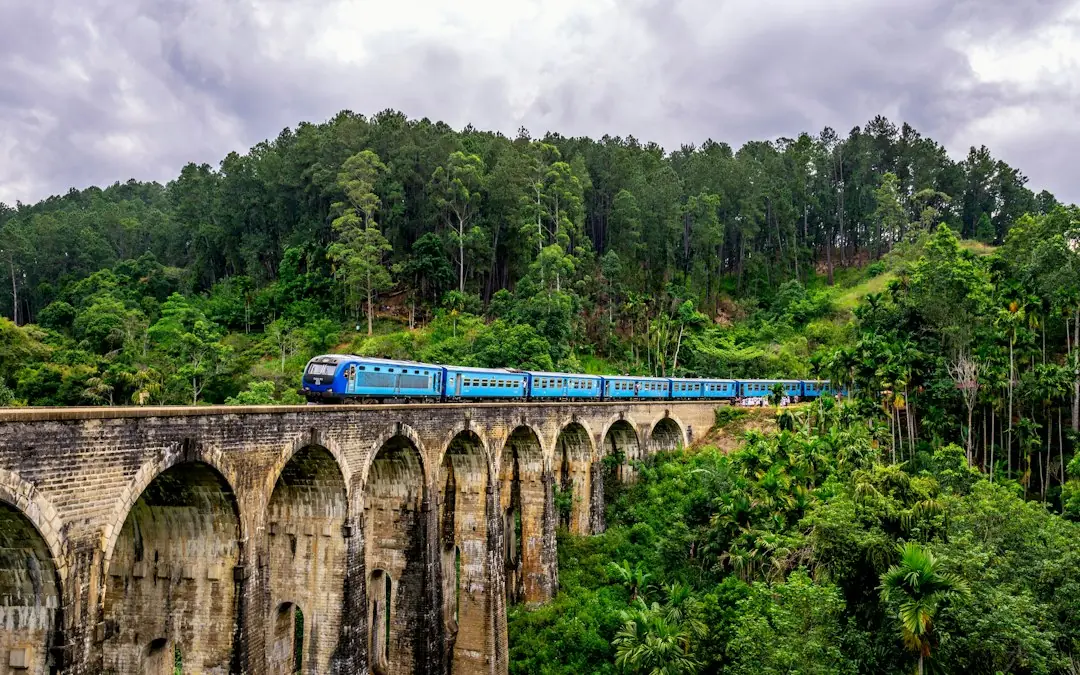
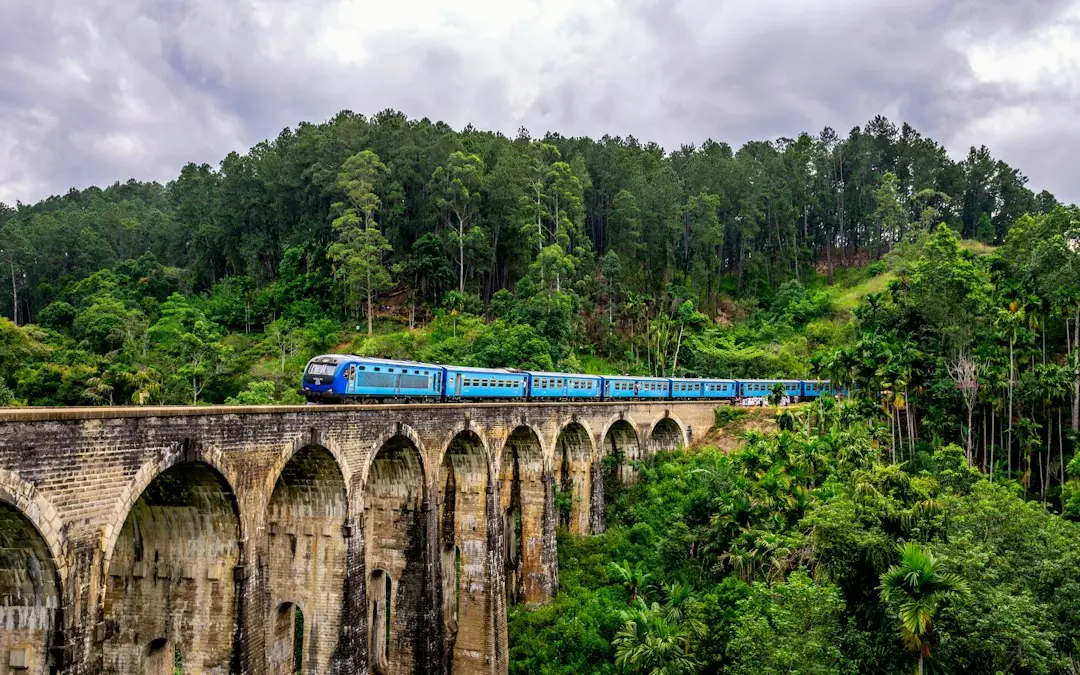
 Photo by Hendrik Cornelissen on Unsplash
Understanding Sri Lanka’s Climate Zones
Unlike many destinations, Sri Lanka climate zones mean you can always find good weather somewhere on the island. Temperatures at sea level range from 27–32°C year-round, while the hill country (Nuwara Eliya, Ella) stays a pleasant 16–20°C. The “coolest” months are December to February in the highlands. The key differentiator is rainfall: each region has a dry season that aligns with one of the two monsoons.
- Southwest quadrant (Colombo, Galle, Kandy, Dambulla, Yala): Dry from December to March; rainy during the southwest monsoon (May–September).
- East and north coasts (Trincomalee, Arugam Bay, Jaffna): Dry from April to September; rainy during the northeast monsoon (October–January).
- Hill Country (Nuwara Eliya, Ella): Cooler year-round, with rain possible any month but heaviest during the southwest monsoon.
Inter-monsoonal periods (March–April and September–October) bring short, heavy thunderstorms but also clear mornings — often a good compromise for travellers who want to cover multiple regions.
Month-by-Month Breakdown
Below we break down each month with climate, key events, pros, cons, and highlights. Use this best months to visit Sri Lanka guide to plan your itinerary.
January
Climate: Southwest coast (Colombo, Bentota, Galle) – dry, sunny, 28–30°C. East coast – wet with peak NE monsoon. Hill Country – cool, 15–20°C, occasional rain.
Events: Duruthu Perahera (mid-Jan, Colombo), Tamil Thai Pongal (14–15 Jan).
Pros: Best for west/south coast beaches. Whale watching in Mirissa peaks Jan–Mar. Low crowds on east coast.
Cons: East coast beaches rough, swimming not recommended. Hill Country can be cloudy.
Highlights: Galle Fort, Yala National Park, Mirissa whale watching, Nuwara Eliya tea plantations.
Insider Tip: Book Mirissa whale watching early morning — 90% sighting success. Avoid Pongal day for minor transport disruptions.
February
Climate: Driest month on west/south coast. East coast still rainy but easing. Hill Country pleasant days, cold nights.
Events: Independence Day (4 Feb), Navam Perahera (Colombo).
Pros: Excellent diving in Hikkaduwa (visibility 20–30m). Fewer tourists than December. Uda Walawe elephant sightings peak.
Cons: Northeast coast roads muddy early Feb.
Highlights: Uda Walawe National Park, Hikkaduwa coral sanctuary, Adam’s Peak pilgrimage season (best mid-Feb for fewer crowds).
Insider Tip: For Adam’s Peak, start at 2am weekdays to avoid weekend crowds (50,000+ on full moon). Bring a headlamp.
 Photo by Dylan Shaw on Unsplash
March
Climate: Transition month – west/south coast still dry, east coast drying up (end of NE monsoon). Hot and humid island-wide. Hill Country warm days.
Events: Medin Poya, Sinhala & Tamil New Year preparations begin mid-month.
Pros: Last chance for west coast beach holiday before rains. Turtle hatching season (Rekawa beach, 6–8pm guided walks). Great for hiking (Ella, Horton Plains).
Cons: Increasing late afternoon thunderstorms west coast. Very hot in Anuradhapura (~35°C).
Highlights: Horton Plains National Park (World’s End), Ella Rock, Rekawa Turtle Watch, Bentota river safari.
Insider Tip: March is best for a “combined itinerary” – dry west and improving east. Book the Kandy–Ella train at least two weeks ahead via railway.srilanka.
April
Climate: Hottest month island-wide (Colombo 32°C, Anuradhapura 36°C). Southwest coast gets pre-monsoon showers. East coast fully dry and sunny.
Events: Sinhala & Tamil New Year (13–14 Apr) – biggest national festival; shops closed, families gather.
Pros: East coast (Trincomalee, Nilaveli, Passikudah) perfect – calm seas, blue skies. Uva Wellassa pilgrimage season.
Cons: Colombo and Kandy uncomfortably hot. New Year period = widespread closures (alcohol bans 13–14 Apr). West coast beaches begin rain.
Highlights: Trincomalee (Nilaveli Beach, Pigeon Island snorkeling), Arugam Bay surf season begins, Cultural Triangle (less crowded).
Insider Tip: Avoid travel on 13–14 April. Book east coast hotels months ahead – prices rise 30–50%.
May
Climate: Southwest monsoon begins mid-May. West/south coast heavy rain (Colombo ~380mm). East coast stays dry – best for Arugam Bay surf (waves 2–4m). Hill Country rainy but green.
Events: Vesak (full moon) – most important Buddhist festival: lanterns, free food stalls.
Pros: East coast peak season for surf. Low-season prices on west coast (up to 50% off hotels).
Cons: West coast beaches closed for swimming (rip currents). Yala National Park typically closes 1–31 May.
Highlights: Arugam Bay (surf at Whiskey Point), east coast whale watching (Trincomalee – blue whales).
Insider Tip: If traveling west coast in May, base yourself in Colombo or Kandy for cultural tours. Take advantage of Vesak – free vegetarian food everywhere.
June
Climate: Monsoon peaks west/south coast (Colombo ~230mm, Galle ~200mm). East coast hot and dry (32°C). Hill Country continuous drizzle.
Events: Poson Poya (June) – huge pilgrim crowds at Anuradhapura and Mihintale.
Pros: Best for east coast beaches – calm, warm, limited crowds (except Poson). Cheapest west coast rates. Whale watching in Trincomalee until Aug.
Cons: West coast unreliable for sunbathing – heavy showers. Rough seas prevent boat rides.
Highlights: Trincomalee diving (Frederick Fort wreck), Nilaveli beach, Mihintale (Poson), Pigeon Island.
 Photo by Jerry Kavan on Unsplash
July–August
Climate: Southwest monsoon continues, but with occasional sunny breaks. East coast remains dry and hot. Hill Country cool with regular rain.
Events: Kandy Esala Perahera (July/August) – spectacular procession with elephants and dancers.
Pros: East coast perfect for beach holidays and diving. Cultural Triangle comfortable if you start early. Kandy festival is a must-see.
Cons: Crowded in Kandy during Perahera; book months ahead. West coast still rainy.
Highlights: Kandy Perahera, Trincomalee, Arugam Bay, Sinharaja Rainforest (west side can be visited in rain).
September
Climate: Inter-monsoonal period – rains easing on west coast; east coast still dry but transitioning. Short heavy thunderstorms possible island-wide.
Events: Bandara Cultural Show in Kandy (dates vary).
Pros: Good month for a mixed itinerary as both coasts are manageable. Fewer tourists than peak season.
Cons: Rainfall unpredictable – need flexibility.
Highlights: Yala reopens (from Sept), wildlife viewing improves, less crowded beaches.
October–November
Climate: Northeast monsoon begins, bringing rain to east and north coasts. West/south coast becomes dry and sunny after months of rain. Hill Country experiences inter-monsoonal showers but often clear.
Events: Deepavali (Oct/Nov) – festival of lights (Hindu).
Pros: West coast returns to peak conditions – perfect for Galle, Bentota, Colombo. Good for surfing on west coast (Hikkaduwa).
Cons: East coast rainy, many beachside businesses close. Rough seas on east coast.
Highlights: Galle Fort, whale watching in Mirissa (returns), cultural sites in Anuradhapura, Polonnaruwa.
December
Climate: West/south coast dry and sunny – peak season. East coast rainy with NE monsoon. Hill Country cool, occasional rain but often clear skies.
Events: Christmas celebrations (Colombo, Galle), Unduvap Poya (full moon).
Pros: Best beach weather on west and south coasts. Perfect for whale watching. Festive atmosphere.
Cons: Crowded and expensive – book 4–6 months ahead. East coast not recommended.
Highlights: Mirissa, Unawatuna, Galle Fort, Yala National Park (peak game viewing).
 Photo by Yves Alarie on Unsplash
Best Time to Visit Sri Lanka: Quick Summary
If you want classic beach weather on the popular west/south coast (Galle, Colombo, Bentota) — plan for December to March. For east coast bliss (Trincomalee, Arugam Bay) — April to September is ideal. The hill country (Nuwara Eliya, Ella) is best visited from December to February for cooler days, or March for clear hiking. The Cultural Triangle (Sigiriya, Anuradhapura, Polonnaruwa) can be visited year-round, but avoid the hottest months of April and May if you’re sensitive to heat.
For a combined itinerary covering multiple regions, March and September are your best bets — both are transitional months with decent weather across the island. For budget travellers, the off-season months of May, June, and October offer dramatic discounts on accommodation.
Practical Information
Costs & Getting There
- Visa: An Electronic Travel Authorization (ETA) is required before travel – $35–50 depending on nationality. Apply online at the official immigration website.
- Entry fees: Sigiriya entrance $30, Yala National Park $25 (safari jeep $50–80), Horton Plains $15. Most temples are free or small donation.
- Transport: The scenic Kandy–Ella train (6–7 hours) is a must – book 2nd class ($5) online at railway.srilanka at least two weeks ahead during peak season.
- Accommodation: During peak season on the west/south coast (Dec–Mar), expect packages 25–40% higher than May. Low season on the west coast (May–Sept) offers rooms from $40/night at 4-star properties.
Insider Tips
- For whale watching, January–April in Mirissa (blue and sperm whales) and June–August in Trincomalee (blue whales) offer the best chances.
- During Sinhala & Tamil New Year (13–14 April), many shops and restaurants close and alcohol is banned – stock up in advance.
- When climbing Adam’s Peak (Dec–May), start at 2am on a weekday to avoid crowds; bring a headlamp.
- Monsoon seasons don’t mean constant rain – often you’ll get heavy showers in the afternoon with clear mornings. Pack a light rain jacket and waterproof shoes.
For more details on specific regions, check our destinations page for in-depth guides.
Frequently Asked Questions
What is the best time to visit Sri Lanka for beach holidays?
For the west/south coast beaches (Unawatuna, Mirissa, Bentota), the best time is December to March. For the east coast beaches (Trincomalee, Nilaveli, Arugam Bay), go between April and September.
Does Sri Lanka have a rainy season?
Yes, but it’s split by region. The southwest monsoon (May–September) brings rain to the west and south. The northeast monsoon (October–January) affects the east and north. Many areas are dry during the opposite monsoon.
What is the cheapest month to visit Sri Lanka?
May and June are typically the cheapest months for the west coast and hill country due to the southwest monsoon. You can find hotel discounts up to 50% off peak rates. East coast packages are also affordable in October–November.
When should I visit the Sri Lanka hill country (Nuwara Eliya, Ella)?
The hill country is pleasant year-round, but the best months are December to February for cooler temperatures and less rainfall. March is also good for hiking. Avoid April (hottest) and July–August (heaviest rain).
Is it safe to travel to Sri Lanka during the monsoon?
Yes, absolutely. Monsoon rains are typically short and heavy, not all-day drizzle. With proper planning, you can enjoy Sri Lanka any month. Just choose the right coast for your dates. Many tourists visit during the southwest monsoon and still have a wonderful trip by focusing on the east coast or cultural sites.
Ready to explore Sri Lanka? Browse our Sri Lanka tour packages or get a free custom quote from our local experts.